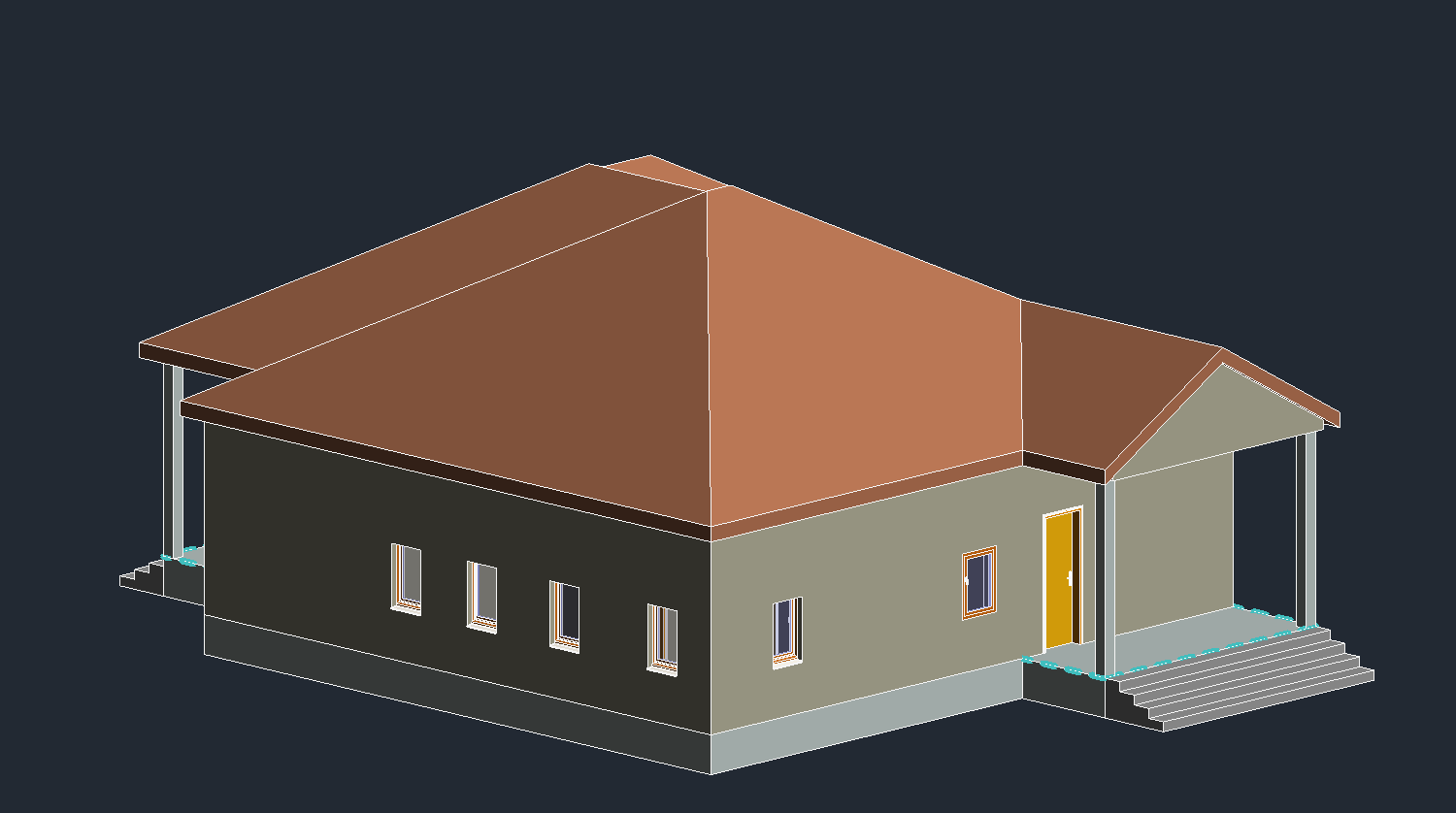
Mastering the Blueprint: The Essential Guide to Reading House Plans in 2026
Understanding how to read a house plan is an essential skill in 2026 for anyone planning to build, buy, or sell a home. Even with the rise of 3D models, virtual tours, and advanced digital design tools, architectural plans remain the primary master reference for construction. Knowing how to interpret these drawings helps prevent costly mistakes and ensures clear communication between homeowners, builders, and designers.
1. What Is a House Plan?
A house plan is a comprehensive set of technical drawings that describe how a building is designed and constructed. These drawings are used by architects, engineers, contractors, and inspectors to ensure the project meets safety and quality standards. A complete set typically includes:
- Floor plans (overhead views).
- Elevations (exterior views).
- Sections (vertical cut-through views).
- Technical layouts for structural, electrical, and plumbing systems.
2. Understanding the Floor Plan
The floor plan is the most important drawing in the set. It shows the house from above, as if the roof were removed. It illustrates the layout of rooms, wall positions, doors, windows, and circulation areas like hallways and stairs.
The Flow of the House When reading a floor plan, begin by identifying the main entrance and following the natural flow through the space. Pay attention to how public areas, such as the living room and kitchen, are separated from private spaces like bedrooms. In 2026, many modern designs include flexible "flex rooms" intended for home offices or multi-purpose family use.
3. Walls, Structural Elements, and Openings
Not every line on a plan carries the same weight. It is critical to distinguish between different types of barriers:
- Load-bearing walls: These support the weight of the structure and are typically drawn with thicker lines.
- Partition walls: These simply divide spaces and appear as thinner lines.
- Doors and windows: Doors are drawn with a curved arc indicating the direction they swing, which affects furniture placement. Windows are shown as openings in wall lines, and their location influences both natural lighting and energy efficiency.
4. Reading Dimensions and Scale Accurately
Dimensions provide the real-world measurements of rooms, walls, and openings. You should always trust the written numbers over a visual estimation or a "guess" based on the drawing.
The Importance of Scale Scale indicates the relationship between the size of the drawing and the actual building (for example, a 1:100 scale means 1 cm on paper represents 100 cm in reality). Even in 2026, scale remains vital for verifying measurements manually on printed plans to ensure accuracy before construction begins.
5. Seeing the Full Picture: Elevations and Sections
To understand the verticality and exterior of a home, you must look beyond the flat floor plan.
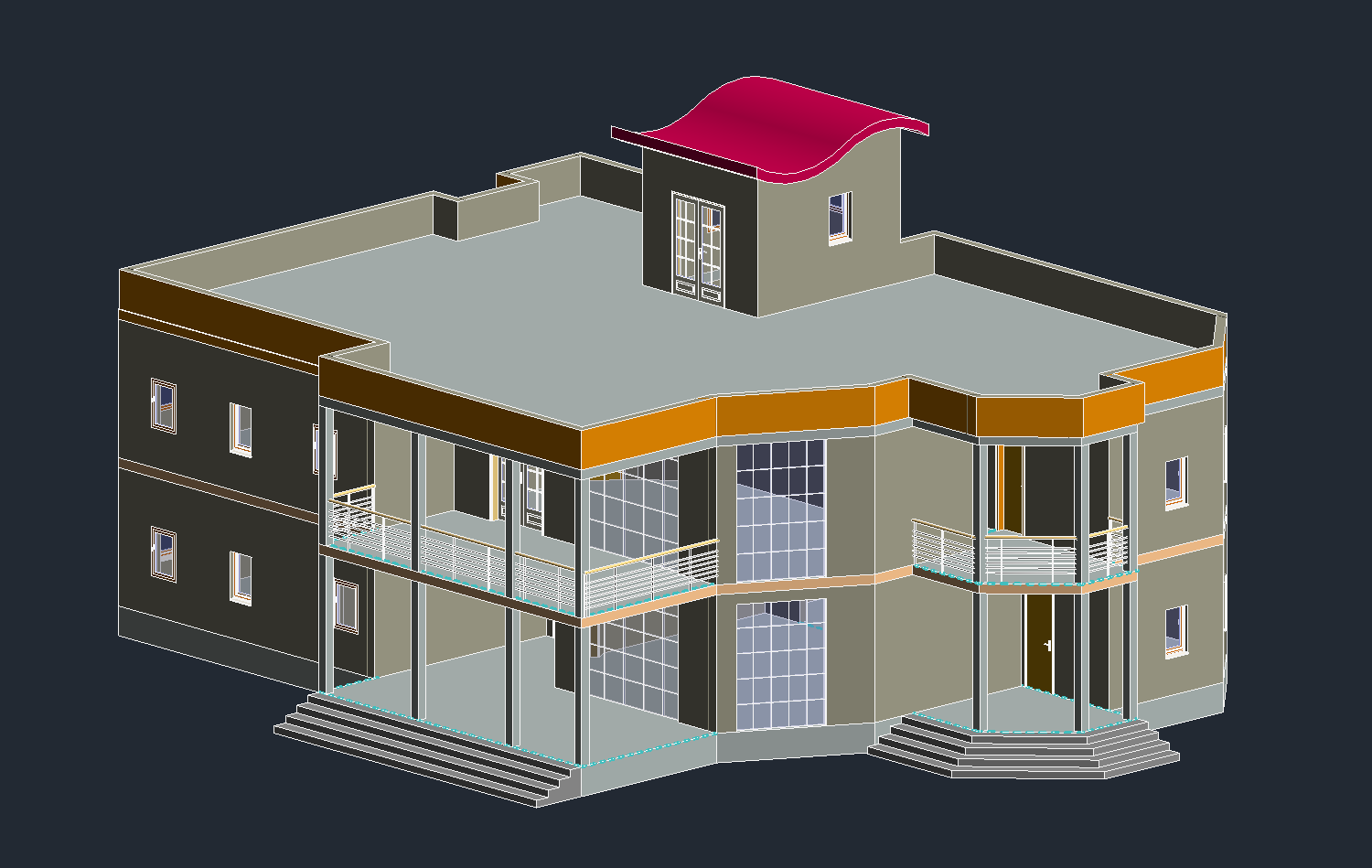
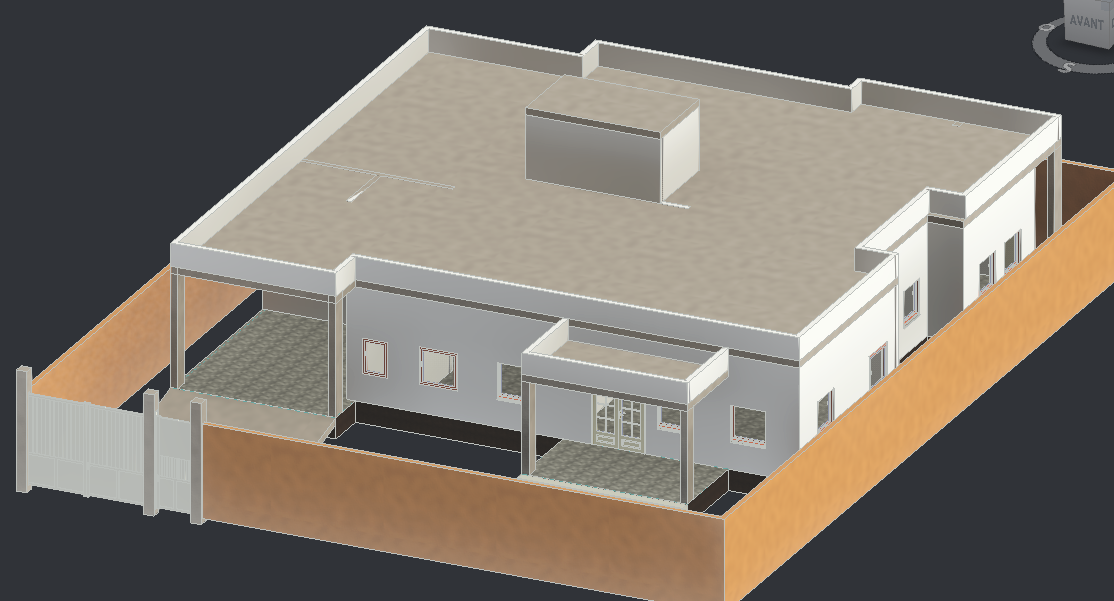
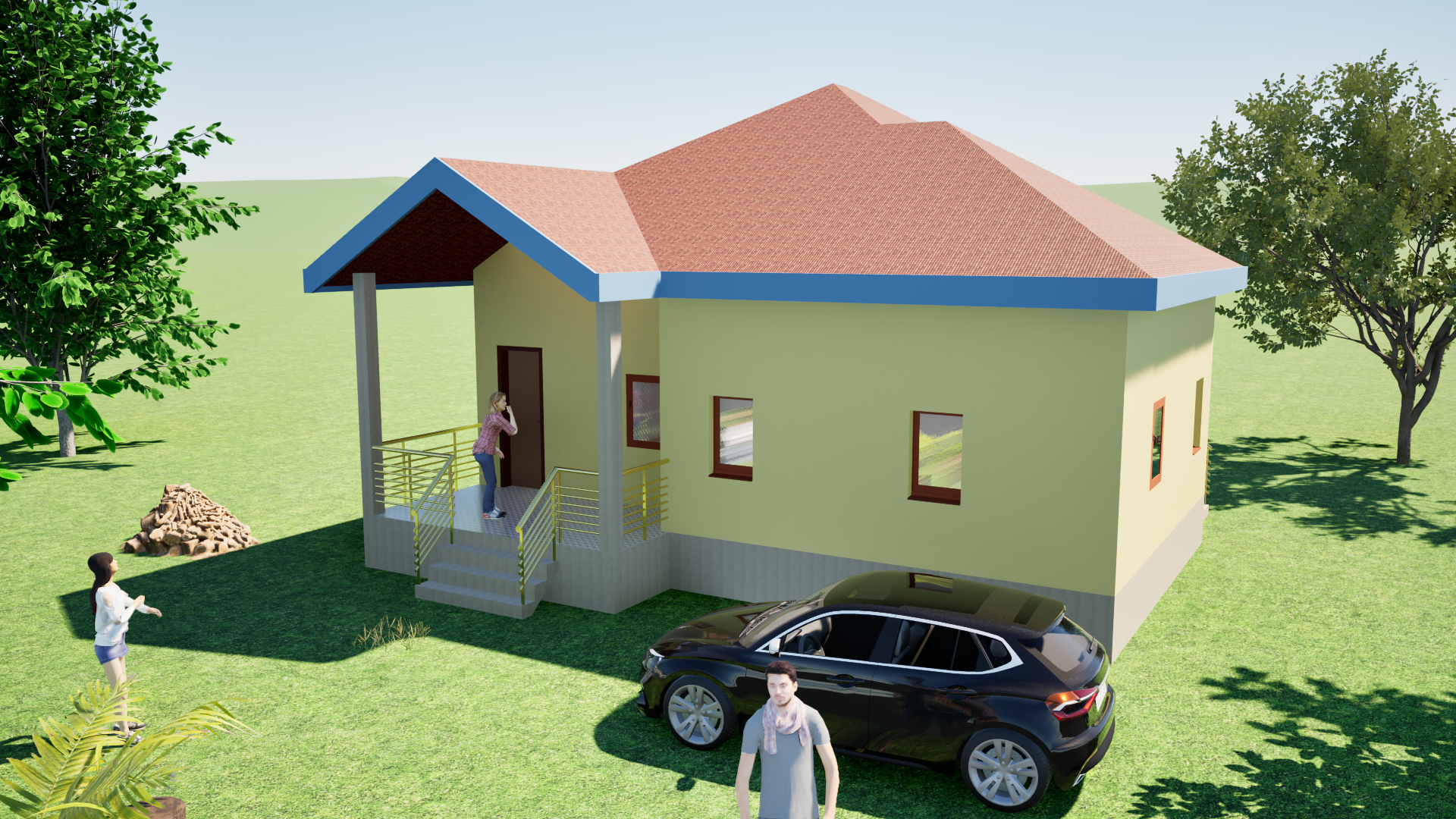
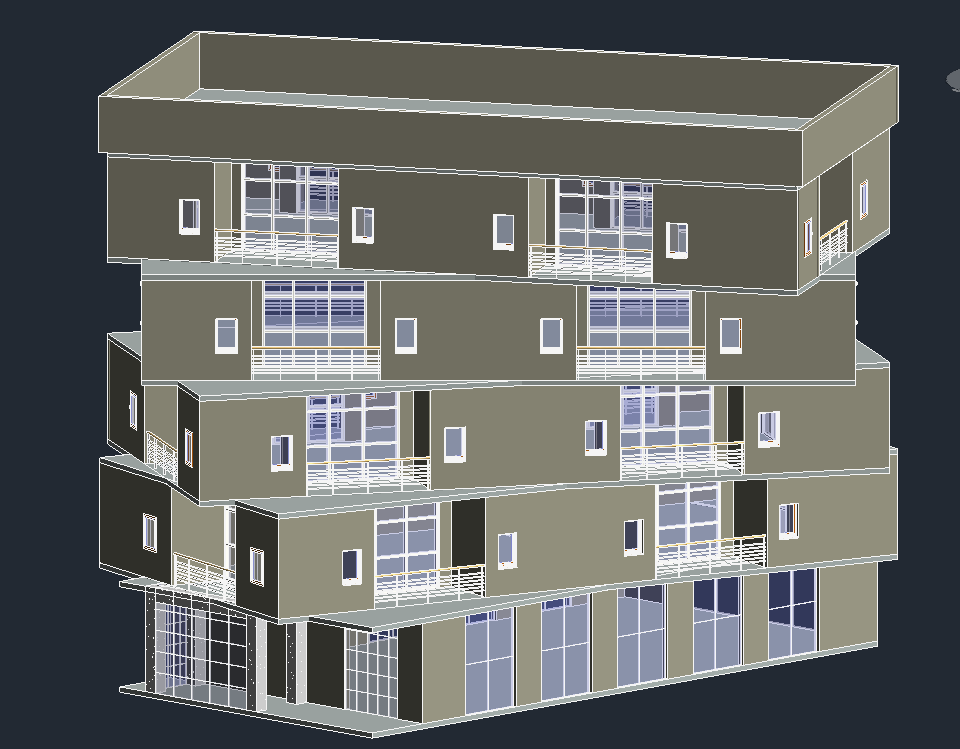
Elevations and Vertical Cuts Elevation drawings show the exterior views of the house, displaying the final appearance, roof shape, and window placement. Section drawings are vertical cuts through the building that reveal details invisible in other views, such as floor-to-ceiling heights, foundation depth, and insulation layers.
Technical Layouts Modern house plans in 2026 also prioritize structural plans (foundations, beams) and technical layouts. Electrical plans show power outlets and smart home integration points, while plumbing plans illustrate water supply and drainage systems.
6. Symbols, Legends, and Specifications
Architectural plans use a universal "shorthand" of symbols to represent building elements efficiently. Most professional plans include a legend that explains these symbols. Additionally, plans contain written notes and specifications that define the materials and construction standards required. Overlooking these small notes is a common cause of construction issues and budget overruns.
Conclusion: A Tool for Smarter Decision-Making
Learning how to read a house plan is about understanding design logic and technical coordination. In 2026, this skill empowers homeowners, builders, and investors to make better decisions, reduce financial risks, and ensure successful construction projects. A beautiful home doesn't just happen; it is built from a carefully understood plan.