Introduction: The Sticker Shock Moment
There is a specific moment of terror that happens in the life of almost every self-builder. It usually happens on a Tuesday afternoon. You are sitting in the dusty office of a local general contractor. On the desk between you lies a roll of blueprints you bought online for $1,200. You love these plans. You have mentally arranged your furniture in the living room. You have imagined your children running down the hallway. You have done the math based on the "average cost per square foot" in your area, and you are confident the project is within your budget.
Then, the contractor sighs. He leans back in his chair, taps the paper, and gives you a number.
The number is $150,000 higher than your maximum budget.
You stare at him in disbelief. "But it’s only 2,200 square feet!" you protest. "My neighbor built a 2,500 square foot house for much less last year!"
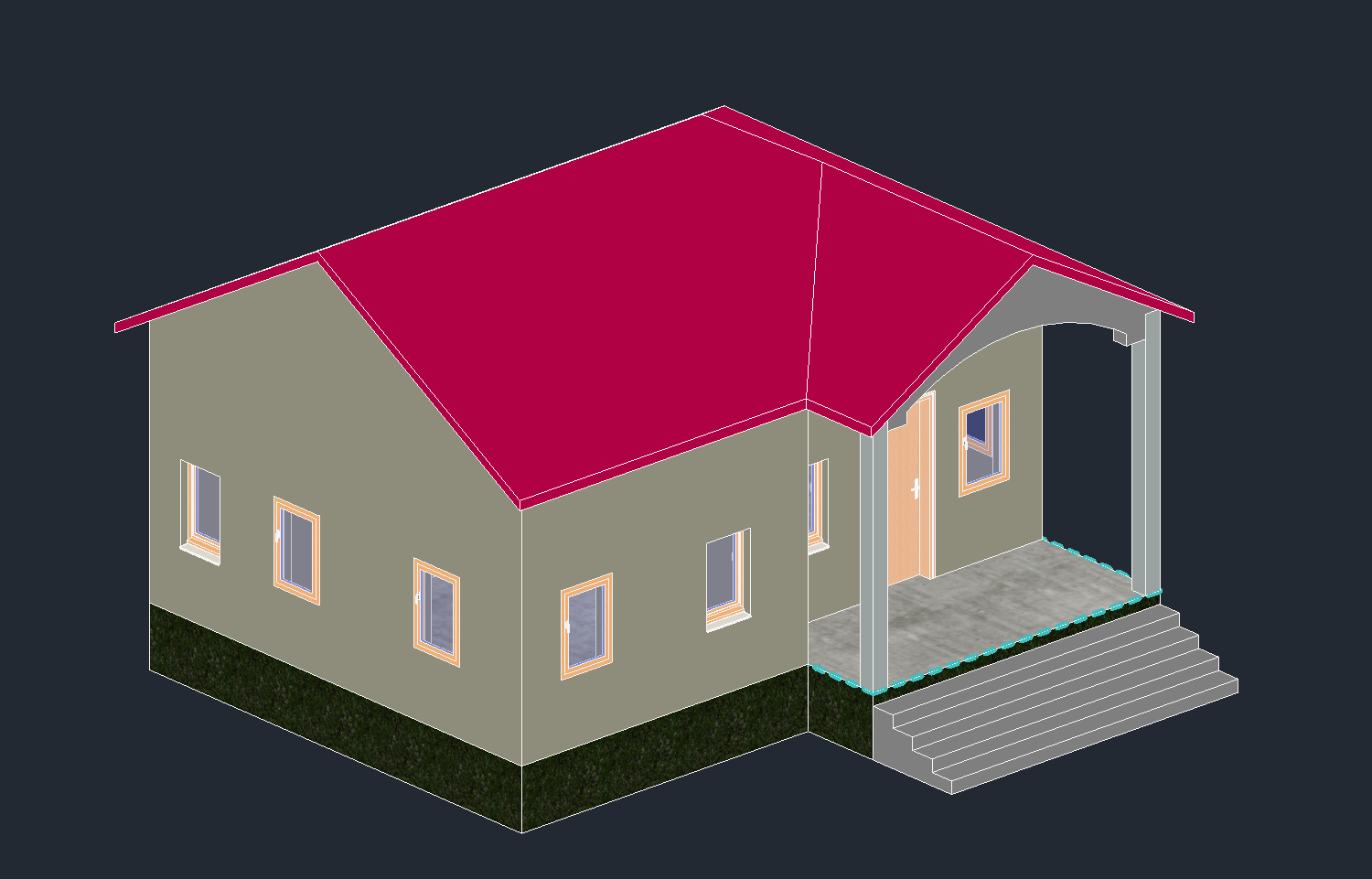
The contractor shrugs. "Your neighbor built a box," he says, pointing to the jagged lines on your roof plan. "You are trying to build a puzzle."
This is the hard reality that the house plan industry hides from you: Square footage does not determine the price of a home. Complexity determines the price.
Most prospective homeowners fall into the trap of thinking that a house is priced like a commodity, like rice or gasoline—where you pay by the unit. But a house is not a commodity; it is a custom assembly of thousands of parts. The more difficult those parts are to assemble, the more money you burn.
If you want to survive the building process with your bank account intact, you must stop looking at floor plans like a decorator and start looking at them like a structural engineer. You must learn to see the invisible costs hidden in the lines. This guide will teach you how to spot the "Four Horsemen of Construction Cost": Roof Complexity, Perimeter Geometry, Structural Span, and Systems Scatter.
I. The First Horseman: The "Origami" Roof Trap
The roof is the single most expensive structural component of your home's shell. It is also the place where architects and designers tend to show off, often at your financial peril.
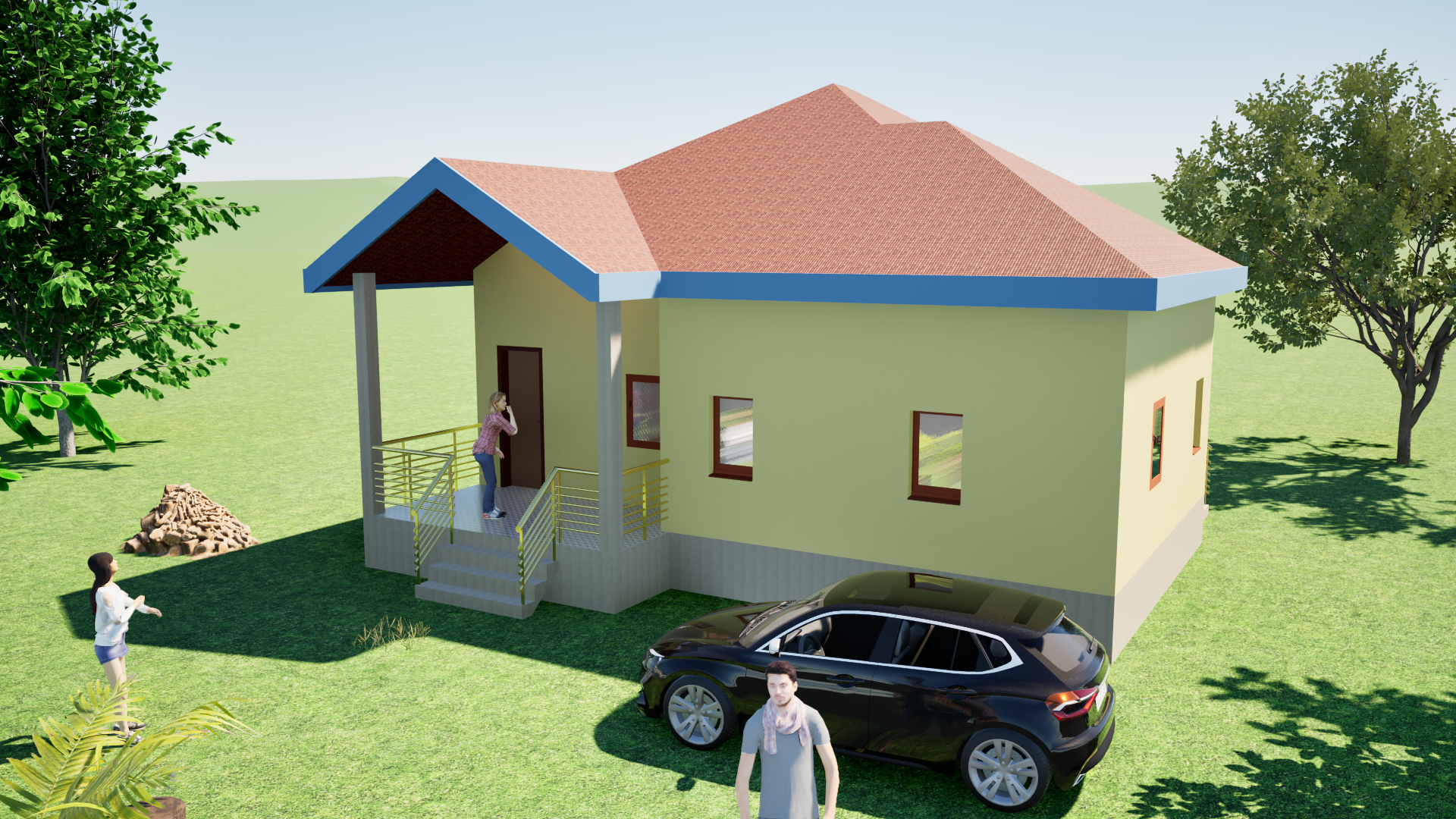
When you look at a house plan, your eye is drawn to the "curb appeal"—the charming dormers, the varied peaks, the interesting angles. But you need to look closer. You need to look at the Roof Plan.
The Cost of Valleys and Ridges
In the language of framing, a "ridge" is the peak where two roof planes meet at the top. A "valley" is the depression where two roof planes crash into each other at the bottom.
Every time a roof line changes direction, three things happen to your budget:
Material Waste: Lumber comes in standard lengths. When framing a complex roof with multiple hips and valleys, carpenters have to make intricate diagonal cuts. This results in huge piles of unusable "off-cuts" (scrap wood) that you paid for but will end up in a dumpster.
The Flashing Nightmare: A simple roof sheds water naturally. A complex roof traps water. Everywhere a roof changes direction requires metal flashing to prevent leaks. This requires a specialized laborer (often a master roofer) to install correctly. If they make one mistake, you have a leak that will rot your walls five years from now.
Truss Engineering: Most modern homes use pre-engineered trusses. A simple "Gable" truss (a triangle) is cheap and can be manufactured by a machine in minutes. A "Jack" truss or a "Hip" truss required for complex corners must be custom-built, labeled, and puzzled together on-site by a crane and a crew of five men.
The Pitch Multiplier
Then there is the slope (pitch) of the roof. A "walkable" pitch (like 6/12) allows roofers to walk around without safety harnesses constantly under tension. Once you go above an 8/12 pitch to those steep, "French Country" styles, the labor cost skyrockets. The crew moves slower. The materials are harder to stage. The insurance risk goes up. You are paying a "danger premium" for that steep look.
The Safe Bet: Look for a Gable Roof. This is a roof with two sides and two ends. It is incredibly strong, sheds water perfectly, and is fast to build. If you want "curb appeal," get it from the porch timber or the window trim, not from a roof that looks like a crumpled piece of paper.
II. The Second Horseman: The "Jogged" Perimeter
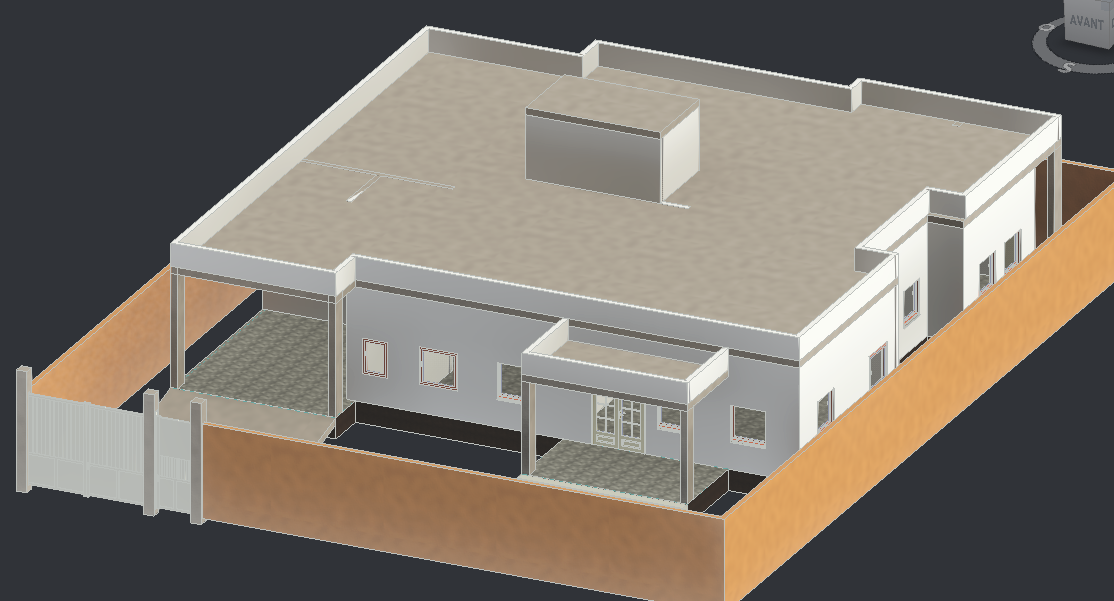
Imagine a shoebox. It has four corners. It is the perfect shape for construction efficiency.
Now, look at the footprint of the "Dream Home" plan you are considering. Count the outside corners.
- Does the dining room bump out two feet to create "interest"?
- Does the master bedroom recess three feet to create a "shadow line"?
- Does the garage sit at a 45-degree angle to the house?
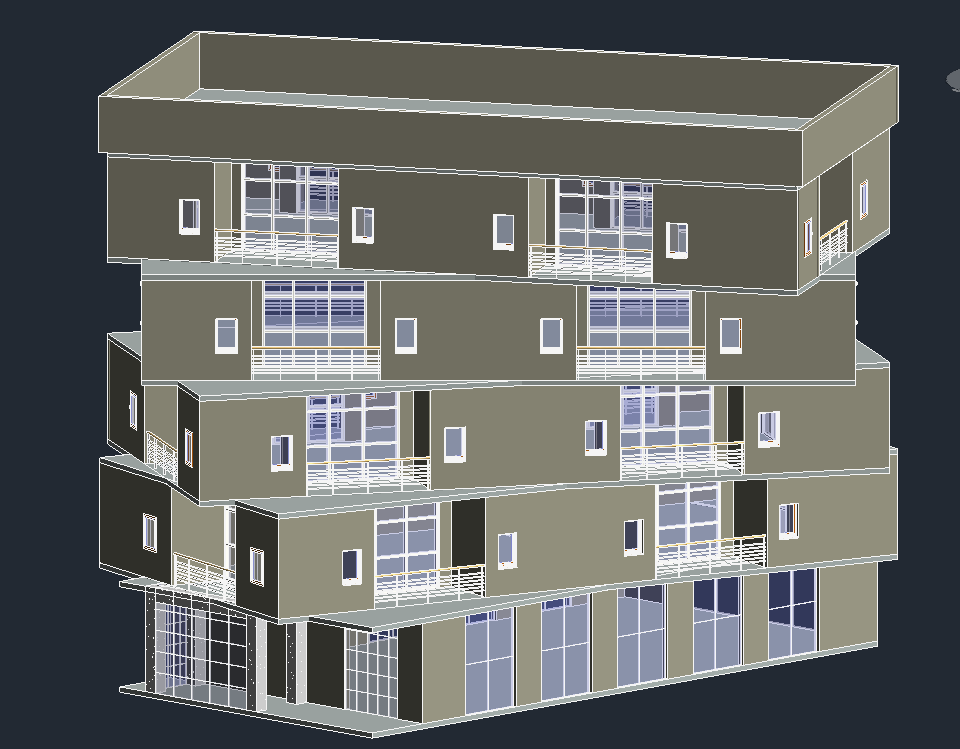
Every time the foundation line jogs in or out, you are paying a Corner Tax.
The Concrete Reality
Before a house is framed, it must be formed. Concrete crews have to build wooden molds (forms) to hold the wet cement.
- A Straight Wall: The crew sets up long, straight panels. It takes an hour.
- A Jogged Wall: The crew has to stop, cut custom lumber, measure the angle, reinforce the corner so the heavy concrete doesn't blow it out, and ensure it is perfectly square. A foundation with 12 corners can cost 50% more than a foundation with 4 corners, even if the square footage is identical.
The Thermal Penalty
Beyond the construction cost, there is the lifetime cost of energy. Every corner is a "Thermal Bridge." It is a break in the insulation envelope where heat can escape more easily. A complex shape has more surface area exposed to the cold wind than a compact square shape. By building a complex footprint, you are signing up for higher heating and cooling bills for the next 30 years.
The Power Move: You want a house that is essentially a rectangle (or a combination of simple rectangles, like an 'L' shape). "Bumps" and "Jogs" are often lazy architecture used to force visual interest onto a boring design. A truly great architect can make a simple rectangular shape look luxurious through window placement, deep overhangs, and material changes, without adding 12 unnecessary corners that cost you $2,000 each.
III. The Third Horseman: Structural Span and the "Steel Tax"
We live in the era of "Open Concept." We want a Kitchen that flows seamlessly into the Living Room with no walls in between. We want to see from the front door to the back yard.
But physics charges a toll for this freedom.
Understanding Load Paths
Gravity wants to pull your house down. The job of the structure is to transfer that weight from the roof, through the walls, down to the dirt.
- The Cheap Way: Wood allows for this easily. Standard 2x10 or 2x12 lumber joists can span about 14 to 18 feet comfortably. If you put a load-bearing wall in the middle of the house, you can frame the whole thing with cheap, readily available lumber.
- The Expensive Way: If you demand a Great Room that is 28 feet wide with no columns and no walls, standard lumber will snap. You have now graduated to Engineered Lumber (LVL) or Structural Steel.
The Heavy Metal Premium
Once steel enters your material list, your budget bleeds.
- Material Cost: Steel beams cost exponentially more than wood.
- Engineering Cost: You now need a structural engineer to stamp the drawings (an extra $2,000 - $5,000).
- Installation Cost: Two carpenters can lift a wood beam. No one can lift a steel beam. You now need to rent a crane ($1,500/day) and hire a specialized crew to bolt it in place.
The Compromise: Look at the width of the open spaces on your plan. If a room is massive, ask yourself: "Am I willing to pay for steel?" Often, simply narrowing the room by two feet, or allowing for a decorative column / archway in the middle, allows you to use wood framing. This saves you a fortune without ruining the "vibe" of the house.
IV. The Fourth Horseman: The Plumbing Scatter
Plumbing is the circulatory system of your house. In a cheap-to-build house, the veins run together. In an expensive house, they are scattered to the four winds.
The "Wet Wall" Concept
Look at your floor plan and find the toilets, sinks, and showers.
- Plan A (The Money Pit): The Master Bath is on the far left. The Kitchen is on the far right. The Laundry is upstairs in the back. The Guest Bath is near the front door.
- Plan B (The Smart Buy): The Kitchen shares a wall with the Laundry room. The Master Bath sits directly above the Guest Bath.
In Plan A, the plumber has to run expensive copper or PEX supply lines and wide PVC waste lines through the entire length of the floor system. He has to bore holes in dozens of floor joists (weakening them). He has to calculate distinct slopes for sewage flow over long distances.
In Plan B, the plumber builds a "Wet Wall." All the pipes run up and down a single cavity. It uses 70% less pipe. It takes half the time to install. And, importantly, you get hot water faster because it doesn't have to travel 60 feet from the water heater to the faucet.
V. The Secret of Material Dimensions (The 2-Foot Rule)
There is a hidden efficiency secret that only builders know: Construction materials are sold in 2-foot increments.
- Plywood comes in 4x8 sheets.
- Drywall comes in 4x8 or 4x12 sheets.
Carpet comes in 12-foot rolls.
Studs are placed 16 or 24 inches on center.
The Waste of "Random" Dimensions
Imagine a room that is 10 feet 6 inches wide. To floor this room, you lay down a 4x8 sheet of plywood, then another 4x8 sheet (total 8 feet). You have 2 feet 6 inches left. You have to cut a fresh 4x8 sheet to fill that gap, leaving a 1-foot 6-inch scrap piece that is likely too small to use elsewhere. You throw it away. You paid for it, but you threw it away.
Now imagine a room that is exactly 12 feet wide. You lay down three 4x8 sheets of plywood. They fit perfectly. Zero waste. Zero cutting time.
The Design Tip: While you can't always check this perfectly on a small image online, look for architects who mention "Advanced Framing" or "OVE" (Optimum Value Engineering). These designers size rooms to match lumber dimensions. A house designed on a 2-foot grid can be built with 15-20% less lumber waste than a house designed with random dimensions.
VI. The Psychology of "Curb Appeal"
If simple shapes are so much cheaper, why are most stock house plans so complex? The answer is Marketing Psychology.
When you are scrolling through a website with 5,000 plans, a simple rectangular house looks "boring" as a thumbnail image. To catch your eye, designers add gables, dormers, mixed materials (stone, brick, and siding on the same wall), and complex porches. They are selling you a fantasy image.
But you don't live in the thumbnail image. You live inside the house.
How to Get Beauty Without Complexity
You can have a stunning, high-end looking home without the architectural gymnastics. The secret is Proportion and Texture.
- Deep Overhangs: A simple roof with deep 24-inch or 30-inch overhangs looks expensive and protective. It costs very little extra but adds massive character.
- Window Grouping: Instead of one small window, bank three standard windows together. This creates a "wall of glass" effect that feels modern and luxurious, using standard, off-the-shelf window sizes.
- Porches: A simple rectangular house with a massive, wrap-around timber porch looks like a million-dollar farmhouse. The porch is cheap to build (it’s just decking and posts), but it provides the visual depth and shadow lines that make a house look grand.
Conclusion: The Freedom of Simplicity
Building a home is an emotional journey, but paying for it is a cold, hard mathematical calculation.
When you choose a plan with a complex roof, jogged foundations, and scattered plumbing, you are not buying a better house. You are paying for "process waste." You are paying for dumpster fees, crane rentals, and specialized labor that adds no durability or comfort to your daily life.
By choosing a plan that respects the physics of construction—simple roof lines, stacked load paths, clustered plumbing—you unlock a massive financial advantage. You can take the $50,000 you saved on the roof structure and put it into things you actually touch and see:
- Solid hardwood floors instead of laminate.
- Quartz countertops instead of laminate.
Triple-pane windows for silence and comfort.
- A high-efficiency HVAC system for healthy air.
Do not build a monument to complex geometry. Build a machine for living. Be the smartest person in the room—the one who builds a luxury home for the price of a standard one, simply because you knew how to read the lines.
Your Next Step
Now that you understand the "Invisible Costs," you are ready to look at floor plans with a critical eye. Do not be seduced by the rendering on the front page. Go straight to the floor plan and the roof plan. Trace the load paths. Count the corners.