The Brick of Hope: The Complete Guide to Building Your Own Home When You Think You Have Nothing
Written by a friend who has walked through the dust.
Introduction: The Silence of the Owner vs The Noise of Rent
You know this feeling very well. It is the morning of the first day of the month. You wake up and the sun is shining but you do not feel warm. You feel a cold weight in your stomach. It feels like a small knife in your side. You pick up your phone and you look at your bank account. The money you worked for all month is there for one moment. Then you press a button and it is gone. You send it away to pay the rent.
We call it paying rent. But let us be honest about what it really is. It is paying to be scared. You are paying for the right to sleep in a house that does not belong to you. You are paying for a roof that can be taken away if the owner decides to sell it. You are paying to make the dream of someone else come true while your own dream waits in the dark.
I am writing to you today because I am tired. I am tired of seeing good people who work hard with their hands give up on their lives. I see men who can lift heavy stones and women who can manage whole families believe that they are powerless. They think owning a home is only for rich people. They think it is a special club with a golden door and they do not have the key.
This is a lie.
It is a story told by banks and landlords who want you to pay them rent forever. They want you to believe that you need a mountain of money to start. They want you to believe that if you cannot buy a finished house today then you should not start building one at all.
I have spent twenty years on construction sites. I have walked through mud and dust. I have seen poor families build strong homes with nothing but hard work and hope. I have seen single mothers raise children in small tin shacks and years later I saw those same mothers sleep in concrete houses they built with their own hands.
I am your big brother in this story. I am here to tell you one thing. You do not need to be rich to build. You need to be free.
This guide is not a magic trick. It is not a lottery ticket. It is a map. It is a long and hard path but it leads to dignity. If you are ready to sweat and to fail and to learn and to try again then you must read this. We have a lot of work to do.
Part 1: Changing Your Mind (The Hardest Job)
Before we talk about cement and iron and sand we must talk about how you think. The construction site does not start on the ground. It starts in your head. Your mind is the most important tool you have. If your mind is weak then your walls will fall. If your mind is strong then you can build a castle with just your hands.
The Wall of Feeling Not Good Enough
Why do you think you cannot build? I will tell you why. It is because the world shows you images of perfect homes every day. You turn on the television and you see beautiful living rooms with white carpets. You see modern kitchens with shiny machines. You see gardens with no weeds.
The world makes you believe a lie. They make you believe that a house is a product you buy at the store like a pair of shoes. They make you believe that if you do not have two hundred thousand dollars in the bank on the first day then you have failed. They tell you that you are too poor to start.
This is a trap. They want you to think that a home must be perfect right away. But let us look at the rich people and the banks. How do they get houses? They do not pay cash. They borrow money and pay it back over thirty years. They use time to make money.
You do not have their money. But you do have time. You have the rest of your life. Use your time to build slowly. You do not need to finish the race in one day. You just need to start walking.
The Fear of What People Say
The biggest enemy of building your own home is not the price of cement. It is not the rain. It is judgment.
You are afraid. You are afraid that your brother in law will drive past your land and see a pile of dirt. You are afraid your friends will come to visit and see unfinished walls. You are afraid they will laugh. You are afraid they will say that your house looks ugly.
Let me tell you the truth about the people who laugh.
- The person who laughs at an unfinished house prefers a fake life over real hard work.
- They would rather rent a nice apartment and look rich than own a humble home and look poor.
- They are laughing because they are jealous. They see you doing something brave and it makes them feel small.
Your pride is not about how the house looks today. Your pride is not about the paint on the walls. Your pride is about ownership. Every ugly brick you lay is yours. No one can take it away. A beautiful rented house is like a beautiful cloud. It looks nice but you cannot hold it. Your unfinished brick wall is real.
Accept the truth: Your house will be ugly for a short time. It will look like a construction site. There will be dust. There will be mud. That is the price you pay for freedom. Wear that mud like a medal.
Part 2: The Strategy of Small Pieces
Let us be practical. If you sit down with a calculator and look at the total cost of a house you will get scared. You will see a number like fifty thousand dollars or one hundred thousand dollars. You will look at your pocket and see ten dollars. You will say it is impossible.
It is normal to feel this way. It is like trying to eat a giant elephant in one second. You cannot do it. You will choke. But how do you eat an elephant? You eat it one bite at a time.
Turn Your Cash into Walls
Money in your pocket is in danger. Cash is slippery. It wants to leave you. When you have fifty dollars in your pocket it calls out to you. It says buy a new phone. It says go to a party. It says buy shoes you do not need.
Cash has a bad habit of disappearing into thin air. You look for it a week later and it is gone.
The strategy of small pieces means you must turn your money into building materials as soon as you get it. You must change the form of your wealth. You must change paper money into stone money.
Here is the rule. When you have any extra money you do not put it in the bank. You go to the hardware store.
- Do you have ten dollars? Buy one bag of cement. Do not wait. Buy it now.
- Do you have twenty dollars? Buy some metal rods or rebar.
- Do you have fifty dollars? Buy a small pile of sand or gravel.
- Do you have one hundred dollars? Buy a batch of bricks for the foundation.
The Concept of the Material Bank
Think of your land as your bank. When you buy a bag of cement and put it in your shed you have made a deposit. When you buy a pile of stones and put it on your land you have made a deposit.
This is called saving brick by brick.
Why is this better than a normal bank?
- Inflation helps you. When the price of things goes up it scares people. But if you already bought your bricks five years ago then you paid the old price. If bricks become expensive next year then your wall is suddenly worth more money. You did not do anything extra but your house value grew.
- Safety. No one can steal a wall. Thieves want cash or jewelry. They do not want to steal a pile of heavy stones. Your savings are safe on the ground.
- Discipline. You cannot accidentally spend a bag of cement on a pizza. Once you buy the material the money is locked in your future. You cannot waste it.
Big brother advice: Start today. Do not wait until you have enough for the whole roof. Today you must buy one bag of cement. Put it in a corner of your room. Look at it every morning. That is not just a bag of gray powder. That is the first seed of your future freedom.
Part 3: The Growing House (The Small Start)
This is where we separate the people who just dream from the people who actually build. This is the secret strategy.
If you wait until you have enough money for a giant house with four bedrooms and a garage and a balcony you will never start. You will pay rent until you die. You must start small so you can grow big.
The Livable Core
Think about a tree. A giant oak tree does not start big. It starts as a small green stem. It survives the wind and the rain and it grows one ring every year.
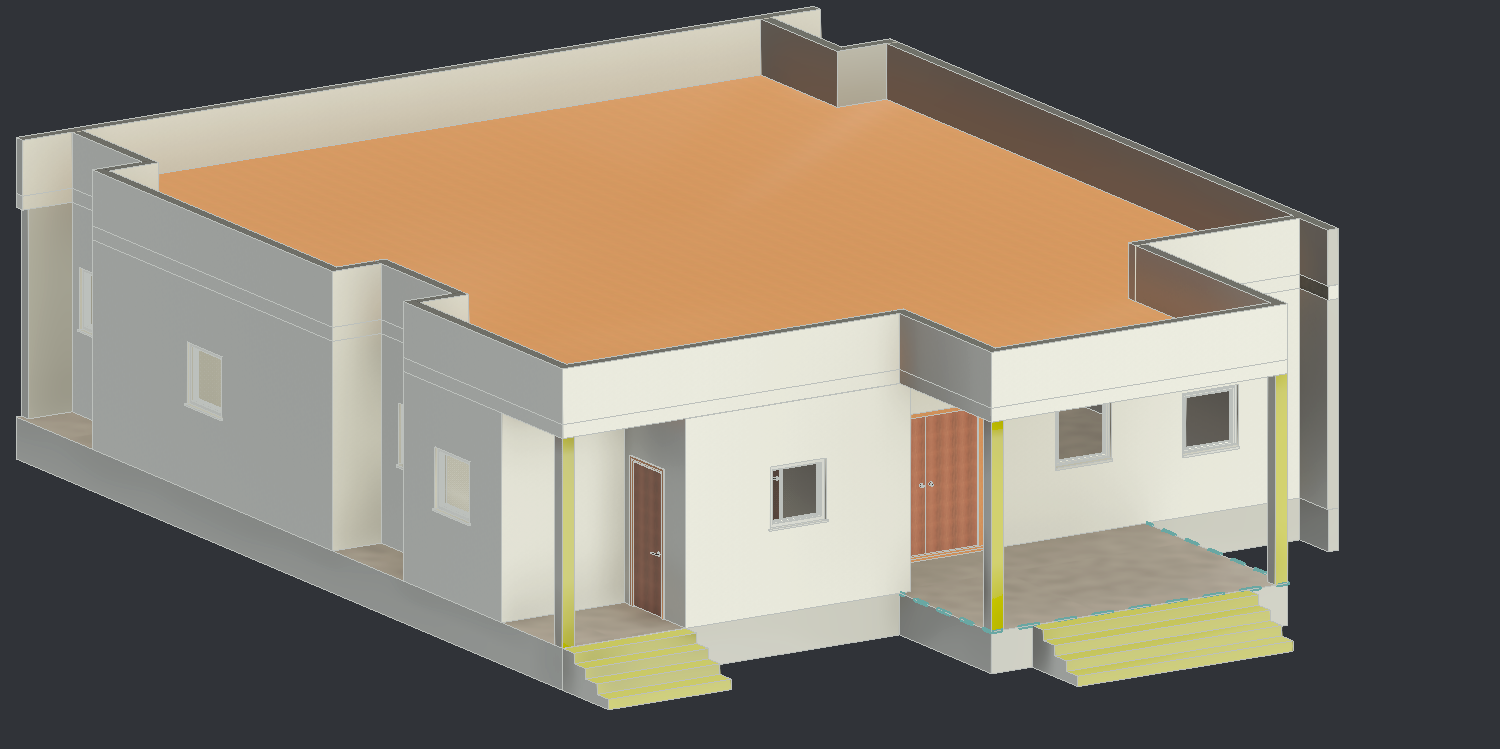
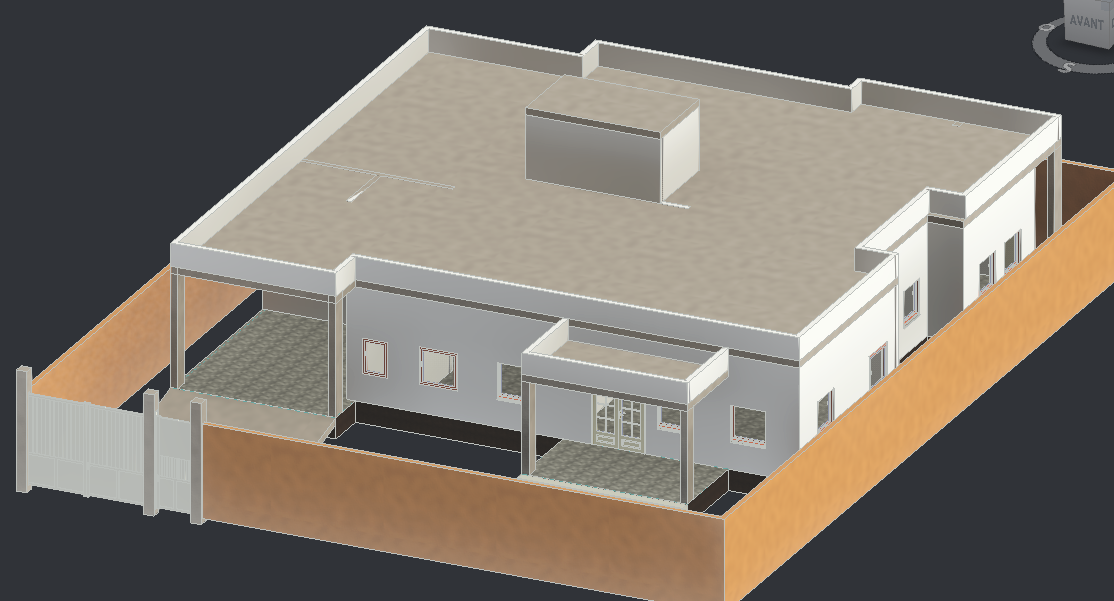
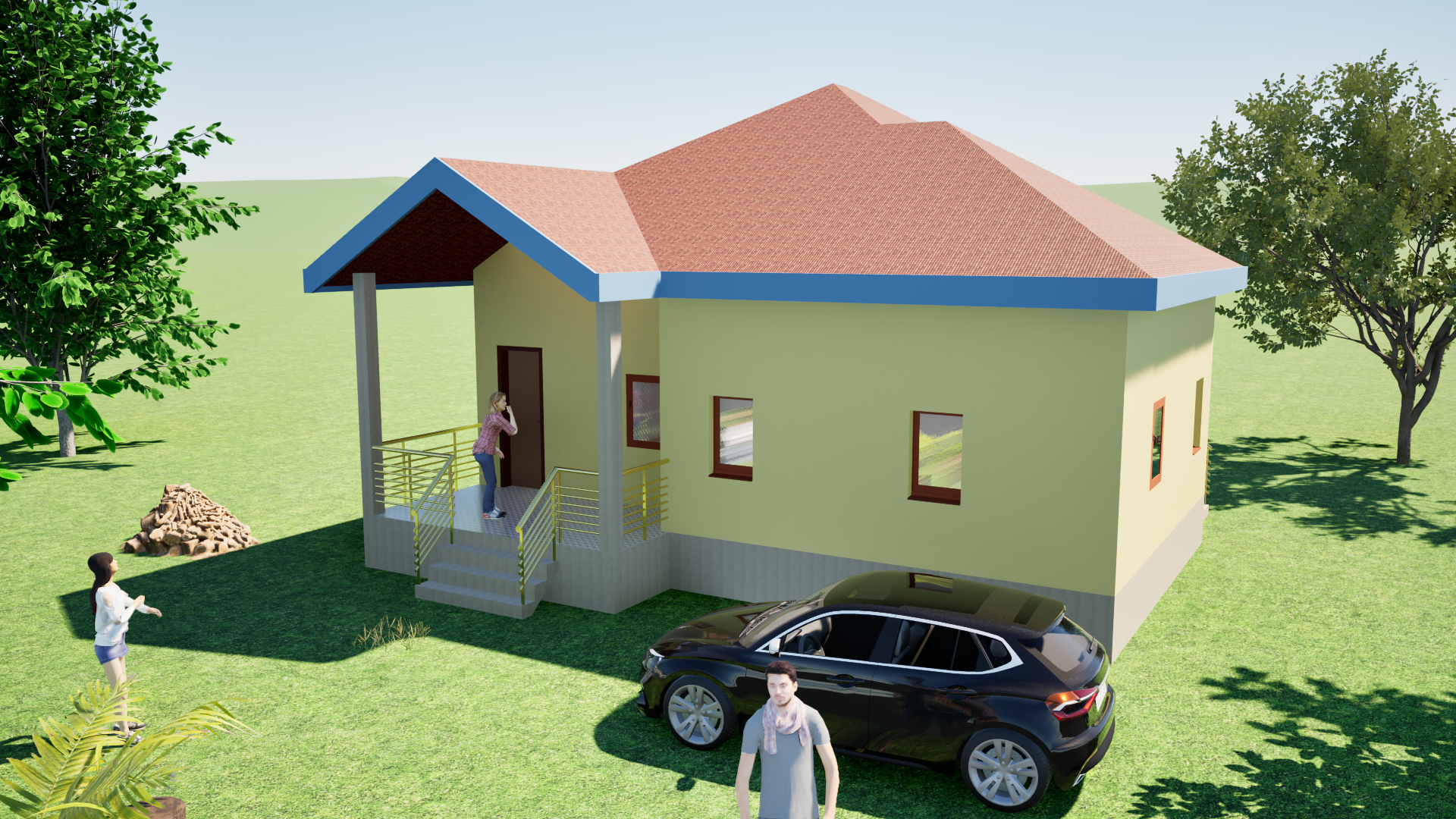
Your house is the same. You will not build a mansion. You will build a Livable Core.
What is a Livable Core? It is the smallest possible house that you can actually live in. It is not a temporary shack. It is a permanent part of your future house. But it is small.
A Livable Core usually has only three things:
- One large room. This room is for sleeping and for living. In the day it is a living room. At night you put mattresses down.
- A small place to cook. This might just be a corner with a sink and a stove.
- A simple bathroom. A toilet and a shower.
This entire house might be only forty square meters. It is the size of a large garage.
Why is this the smartest idea in the world?
- It is cheap. You can finish this small part in a few months if you are serious. You do not need thousands of bricks. You only need a few hundred.
- You get freedom fast. This is the most important point. Once the roof is on this small part and the windows are in you can move your family inside. You stop paying rent.
- The Magic of Rent Money. Imagine you pay five hundred dollars a month for rent. The day you move into your Livable Core you save that five hundred dollars. You can now use that money to buy materials for the next room. The money you used to give to the landlord now builds your second bedroom.
- It grows with you. You live in the small house. You see where the sun rises. You see where the wind blows. You realize you need the kitchen on the left not the right. You build the next part based on real life.
A Plan that Stays Open
You need a house plan that is open. When you ask someone to draw your plan tell them it is a Growing House.
This means you build the outside walls first for safety. But inside the structure you leave spots for future doors.
For example you build the wall of your living room. You know that in five years you will add a bedroom on the other side of that wall. So when you build the wall you put a "lintel" or a strong beam in the bricks where the door will be. You fill the hole with cheap bricks for now.
In five years when you build the bedroom you just knock out the cheap bricks under the beam and you have a door. You do not have to destroy the main wall.
You can plan for stairs to a second floor without building them yet. You just leave the space or use it as a closet for now. Your house is like a child because it grows bigger as you get stronger.
Part 4: How to Handle the Work
Let us talk about the labor. This is the part that scares people the most. Many people say that they do not know how to build walls. They say they are not strong enough.
I say that you did not know how to walk when you were a baby but you learned. You did not know how to drive a car but you learned.
Your Hands are Worth Money
Construction is expensive because human labor is expensive. Every time you hire a man to carry a bucket you are paying for his time.
You do not have to do every job. You do not need to be an expert at electricity. Electricity is dangerous and you should hire a professional. You do not need to do the plumbing yourself if you do not know how.
But you can do thirty percent of the work yourself.
Think about the simple tasks:
- Digging holes. Do you need a degree to dig a hole? No. You need a shovel and sweat. You can dig the trenches for the foundation.
- Carrying heavy bags. You can move the cement from the truck to the shed.
- Mixing the cement and water. You can learn the recipe for concrete. It is like cooking. Three buckets of sand and one bucket of cement. You can do this.
- Cleaning the site. Every day the site gets messy. If you pay a skilled mason to sweep the floor you are wasting money. You sweep the floor.
Every hour you spend working is an hour you do not have to pay a worker. That money stays in your pocket for the next bag of cement.
Also there is a magic feeling when you touch the walls of your home. When you mix the concrete with your own hands you feel a connection to the house. It is not just a pile of stone. It is your sweat. It is your hard work. You will love that house more than any house you could buy.
Working with Neighbors
Do not look for big and expensive construction companies. They have big offices and secretaries and trucks. You pay for all of that.
Look for a local worker. Look for the mason who lives in your neighborhood. Look for the one who does a good job but does not have a fancy card.
You can also use the oldest method in the world. It is called trading skills.
- The Mechanic Trade: Maybe you are good at fixing cars. Find a builder who has a broken van. Tell him you will fix his van if he helps you build your wall on Saturday.
- The Food Trade: Maybe you are a good cook. Construction workers are always hungry. Tell the workers that if they give you a discount you will feed them the best lunch they have ever had every single day. Good food makes men work hard.
- The Computer Trade: Maybe you are good with computers. Help the builder set up his phone or his email. Trade your brain for his hands.
A Very Important Warning:
Money changes people. You must be careful.
Never give the money for materials to a worker and tell him to go buy it. He might buy cheap cement and keep the difference. He might disappear.
Buy it yourself. Go to the store. Pay the cashier. Keep the receipts. Arrange the delivery truck yourself.
And you must stay at the site while they work. If you are at work ask your wife or your brother to sit at the site. Workers respect the owner who is there watching. If you disappear they might work slowly. If you are there they will work fast.
Part 5: Staying Strong When You Are Tired
We have talked about money and bricks. Now we must talk about the heart. The hardest wall to build is not made of stone. It is the wall of being tired.
Crossing the Desert
Building a house this way is slow. It might take two years. It might take five years. It might take ten years.
There will be times when you feel like you are walking in a desert. There will be months when you cannot buy any bricks. Life happens. Your child gets sick and needs medicine. The car breaks down. You lose your job.
You will look at your unfinished walls and you will feel guilty. You will feel shame. You will think you failed.
Stop that thinking right now.
Building a home is not a straight line. It is a broken line. It goes up and down. If you have to stop for six months it is okay. The bricks do not rot. The stones do not spoil. Your house is still there. It is waiting for you. It does not get mad at you. It is patient.
When you cannot build you must just wait. Do not give up. Just wait for the good times to come back.
Dealing with the Critics
I warned you about the people who laugh. But sometimes the criticism comes from people you love.
Your wife might get tired of living in a construction site. Your husband might want to give up and rent a nice apartment. Your children might complain that the house has no paint.
People will say: "You are wasting your time."
They will say: "Renting is much easier. Why do you suffer like this?"
You must understand why they say this. These people are scared. They are afraid that if you actually finish this house then they have no more excuses. If you succeed with your small amount of money then they have to admit that they could have done it too.
Building a home is an act of rebellion. It is a revolution. You are standing up and telling the world: I refuse to spend my life making someone else rich.
The Tiredness of the Long Day
There is a specific kind of tired that comes from self building. You work eight hours at your job. Then you go to the site. You mix concrete for two hours until it is dark. Your back hurts. Your arms feel like lead. There is dust in your hair.
In those moments you must sit on a concrete block. Watch the sun go down over your unfinished walls. Breathe in the smell of the wet cement.
Remember why you are doing this.
You are not doing this for luxury. You are doing this for your family.
You want your children to have a yard to play in.
You want them to never worry about a landlord knocking on the door.
You want to leave them something when you are gone.
That kind of tired is good. It is the tiredness of a person with dignity. It is the tiredness of a free man or a free woman.
Part 6: The Technical Details (A Simple List)
I want to give you some very specific technical advice. These are things I have learned from my mistakes.
1. The Foundation is Everything
You can save money on paint. You can save money on doors. You can save money on windows. Never save money on the foundation.
The foundation is the feet of the house. If the feet are weak the body will fall. Dig deep. Use good steel. Use plenty of cement. If you spend fifty percent of your money on the hole in the ground that is okay. A good hole makes a house that lasts one hundred years.
2. Water is the Enemy
Water wants to destroy your house. It wants to come up from the ground and down from the sky.
When you build your foundation put a plastic sheet between the ground and the concrete floor. This stops the dampness from coming up.
Build your roof with a wide overhang. The roof should stick out far past the walls. This acts like a hat. It keeps the rain off your walls. Dry walls are strong walls.
3. The Sun is Your Friend or Enemy
Before you build look at the sun. Where does it rise? Where does it set?
If you live in a hot place do not put big windows where the afternoon sun hits. Your house will be an oven. Put small windows there.
If you live in a cold place put big windows where the sun hits to warm the house for free.
This costs zero dollars. It is just thinking. Smart thinking saves money on electricity later.
4. Use Standard Sizes
Do not design round windows. Do not design doors that are extra tall.
Go to the hardware store and measure the standard door. Measure the standard window. Build your holes to fit those sizes.
Custom things are expensive. Standard things are cheap. If you break a standard window you can buy a new one easily.
Conclusion: Turning the Key
Right now you might be sitting in a rented room. You can hear the neighbors through the thin walls. You look at the cracks in the ceiling that you are not allowed to fix. You feel stressed about the future. You feel small.
But I am telling you with all the strength of my twenty years on construction sites.
You can do this.
I have seen people with less money than you build palaces. I have seen people with less strength than you build fortresses.
The first brick is the hardest one to lay. It is not because it is heavy. It is heavy with doubt. It is heavy with fear.
But once that first brick is set in the cement everything changes. Once you smell the wet concrete you are no longer a renter. You are a builder. You are a creator.
Do not look at the whole mountain. It is too high. Look at your feet. Take one step. Save one coin. Buy one bag. Mix one bucket.
Your home is not a dream for the rich people. It is a promise you make to yourself. It is a love letter to your family written in stone and sand.
The road will be long. There will be mud. There will be tears. There will be days you want to quit.
But imagine the day. Imagine the day the painting is done. Imagine the day you put the key in the lock of a door you built. Imagine the sound of the click. You open the door. You walk inside.
It is quiet. There is no landlord. There is no rent. There is only the silence of peace. The silence belongs to you. The floor belongs to you. The air belongs to you.