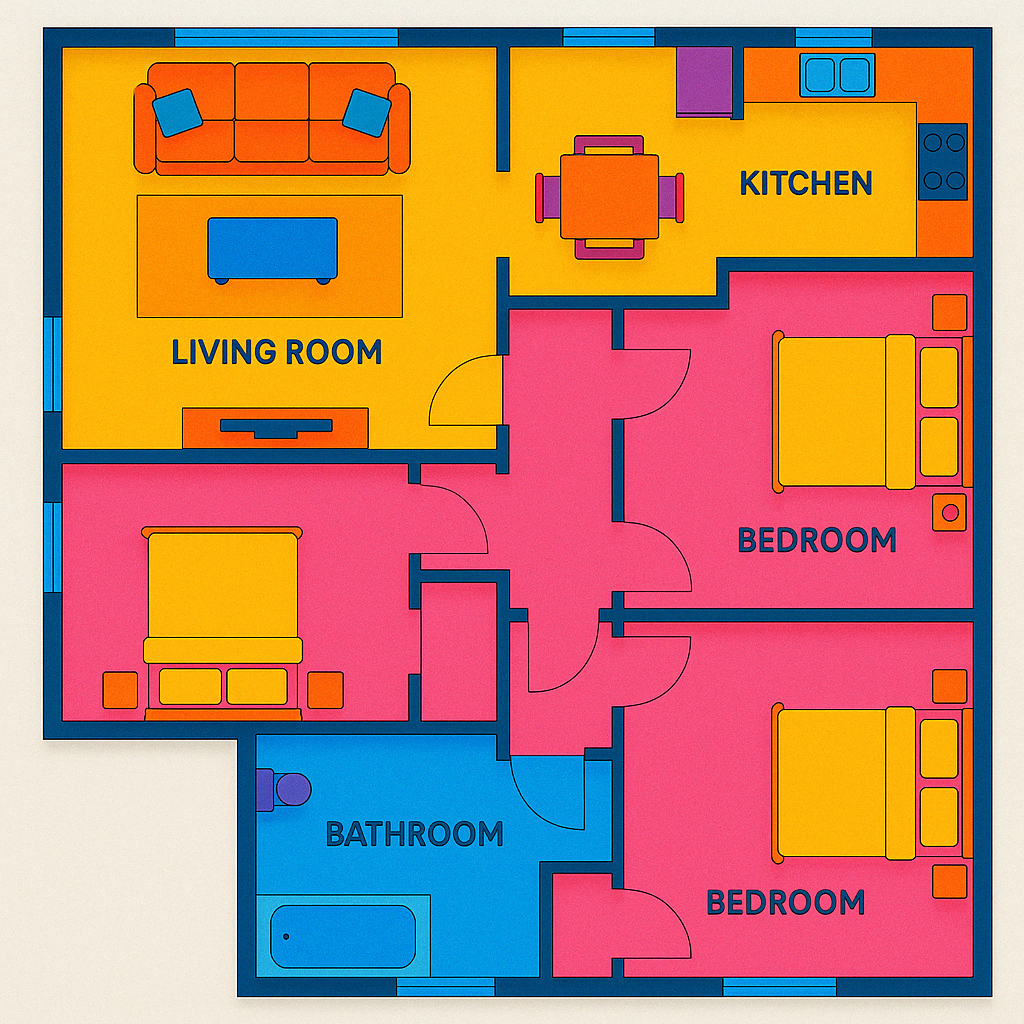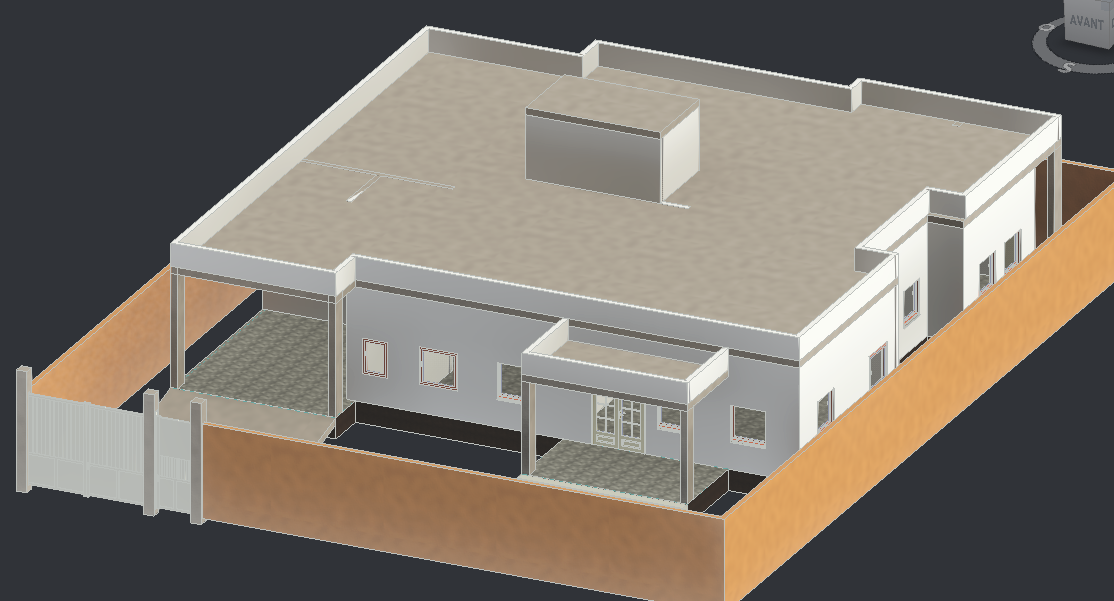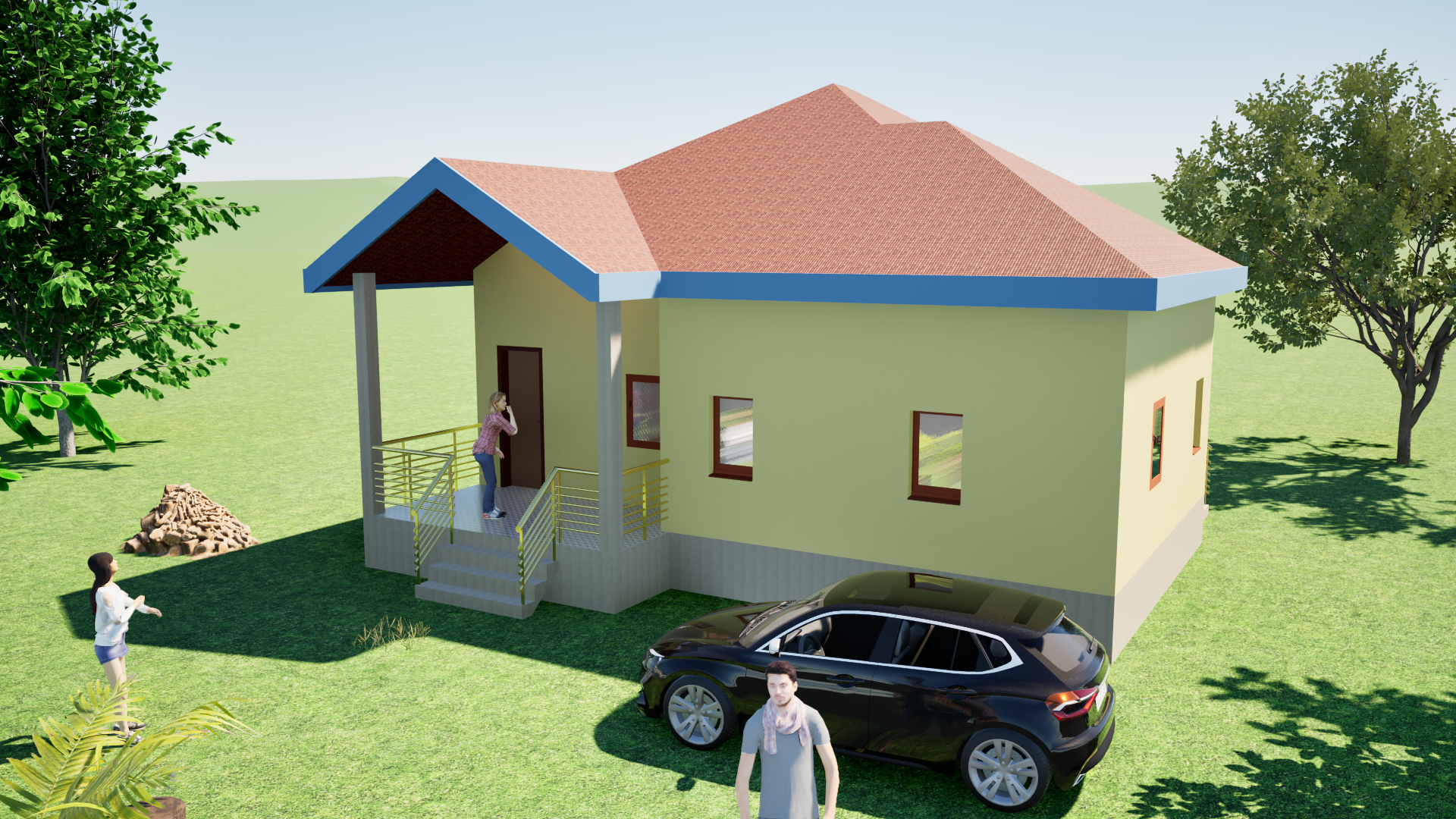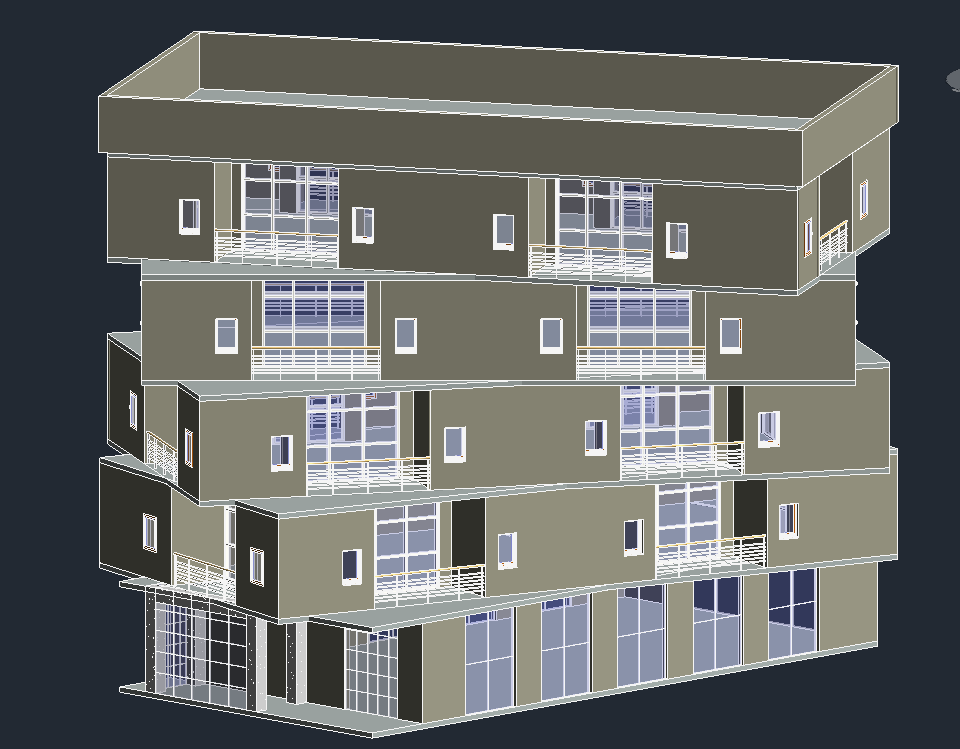
The Blueprint for Sanity: How to Pick the Perfect House Plan
We need to have a real conversation. I want to speak to you directly because you are likely standing on the edge of a financial cliff without realizing it.
You are currently dreaming about a new build. You are picturing the smell of fresh wood, the shine of new counters, and the feeling of unlocking your front door for the first time. That is the exciting part. That is what the brochures sell you.
However, I have worked in this industry for a long time. I have seen the frames go up and the families move inside. I have also seen the tears and the regret that arrives two years later when they realize they built a beautiful but expensive prison.
Choosing a house plan is not just picking a drawing. It is deciding how you will live, argue, relax, and exist for the next thirty years. If you get this wrong, you cannot return it like a broken toaster. You are stuck with it.
So grab a coffee and sit down. We are going to dig deep into this topic. We are going to discuss the things real estate agents skip because choosing the right house plan is the most important decision you will make for the future of your family.
The Trap: When Dream Homes Become Nightmares
Let me share a story about a couple we will call Mike and Sarah. They were just like you. They were hardworking people with two kids and a perfect plot of land. They wanted a house that made a statement. They found a plan online that looked majestic with a tall entryway and a formal dining room.
They built it. It looked just like a magazine cover.
Three years later, I visited their barbecue. Mike was exhausted. Why? Because that majestic tall entryway was a heat vacuum that cost a fortune to warm up. The formal dining room became a storage unit for boxes they never unpacked. The master suite was so far from the rooms for the children that Mike had to run a marathon when the baby cried.
The worst part was the kitchen. It had an open layout which is great for parties but terrible for daily life. Every time the dishwasher ran, they had to turn up the volume on the television.
They built a house for a version of themselves that did not exist. They built for a lifestyle they thought they should have rather than the one they actually lived.
Do not be like Mike and Sarah.
Why This Decision Is Heavier Than You Think
We treat buying a car with more caution than building a house. We test drive vehicles and check the mileage. But for a house, we often look at a pretty picture and just say okay.
Here is the reality. Your house lasts longer than your cars, your job, and likely your current hobbies.
The Structural Anchor
You can change your clothes or your career. But once concrete is poured and walls are framed, the skeleton of your life is set. You cannot easily move a staircase. You cannot push a bathroom wall out two feet. Changing a floor plan after it is built requires sledgehammers and a checkbook that will make you cry.
The Mental Load
A bad layout creates friction. It causes low level constant stress. It is the irritation of bumping into each other in a narrow hallway. It is the frustration of laundry piling up because the machine is in a dark basement. It is the noise of the television blasting through thin walls while a baby sleeps.
The Resale Trap
You might think you can live with it. But what if you have to move? A bad floor plan is very hard to sell. Buyers can look past ugly paint. They cannot look past a kitchen that is cut off from the rest of the house. A bad floor plan follows you everywhere.
Step One: The Lifestyle Audit
Before you look at a single blueprint, you must look in the mirror. You need to analyze your family like a scientist. Forget who you want to be and focus on who you are right now.
The Morning Chaos
Close your eyes and imagine it is Tuesday morning. Is your house a quiet retreat where you sip coffee? Or is it a pit stop where people are grabbing toast and looking for shoes? If it is the latter, you do not need a grand foyer. You need a drop zone. You need a bench inside the door where kids can dump backpacks. If your plan lacks a transition space between the garage and kitchen, clutter will take over.
The Work From Home Reality
The world has changed. We work where we live. Does your spouse have a job that requires video calls? A desk in the bedroom is not enough. You need a room with a door that locks and walls that block sound. If you ship products for a side business, you need space near the entry for packages.
The Entertaining Scale
Do you host huge parties every year? Or do you prefer quiet dinners with two friends? If you host crowds, you need flow. The kitchen must open to the living area. If you are a nester, an open floor plan is a nightmare. You want defined rooms and walls to close off the mess.
Privacy and Kids
Babies love to be near you but teenagers want to be far away. Look for a plan that allows for zoning. Can you put the bedrooms for the kids in one wing and the master suite in another? Is there a bathroom the kids can use without walking through your bedroom at night?
The Crystal Ball: Planning for the Future
A house is a long game. You are building for the version of you that exists ten years from now.
Aging in Place
Your parents might get older or your knees might ache. Consider a plan with a full bathroom and a room on the first floor that can serve as a master suite later. Ensure the structure allows for wide doors. Standard doors are fine now, but if someone needs a wheelchair, narrow doors become barricades. Wider doors feel luxurious and are smart for the future.
The Expanding Family
Maybe you have one child now. Are you done? Look at the attic space or the room over the garage. Can it be easily finished? If you build a three bedroom house but have a massive bonus room, you have flexibility. If you use all your square footage on a huge closet, you have no room to grow.
Room by Room: The Details
Let us walk through the house and look at the details that separate a house from a home.
The Kitchen
This is the operating room of the family. The path between the stove, fridge, and sink needs to be tight. If you have to walk across the room to get from the sink to the stove, you are running too much. Everyone wants an island, but make sure it is functional. If the island is too wide, you cannot clean the center. A pantry you can walk into is necessary for storing small appliances that clutter counters.
Living Room versus Family Room
Stop building formal living rooms unless you hold royal courts. You do not need a room at the front of the house with plastic on the furniture. That room is dead space. Convert that footage to make the family room bigger or create a home office.
The Laundry
If the laundry is in the basement, you are a servant to your house. If it is in the garage, your clean clothes smell like fumes. The best spot is near the bedrooms on the second floor. You can toss clothes in and put them away without leaving the hallway.
Bathrooms
If you share a master bath, you need two sinks to avoid arguments. A separate small room for the toilet provides privacy. While soaking tubs are romantic, a large quality shower is used every day. Prioritize the shower.
Storage
You cannot have enough storage. You need closets by the front and back doors for brooms and vacuums. You need a dedicated linen closet in the hallway so towels do not get damp in the bathroom. Do not forget the garage needs space for bikes and lawnmowers.
The Great Debate: One Story versus Two Stories
The Single Story
Everything is on one level which is great for aging. It is safer to evacuate in a fire and easier to clean. However, to get a large house on one level, you need a big lot which costs more money. A sprawling house also has a massive roof which increases costs.
The Two Story
You can fit a big house on a smaller lot. The upstairs creates a privacy zone for kids. However, stairs are a pain for laundry and carrying children. Heat rises, so the upstairs gets hot while the downstairs stays cold unless you have a great air system.
If you can afford the land and plan to stay forever, build one story. If you need space on a budget, two stories is the pragmatic choice.
The Budget: Stop Lying to Yourself
A house plan determines most of your cost. You cannot fix a bad plan just by being handy.
Complexity Equals Cost
The more corners your house has, the more it costs. A simple rectangle is the cheapest to build. A house with many bumps and angles requires more labor and materials. A simple roof is cheap while a complex roof is expensive and leaks more.
Bigger Is Not Better
Would you rather have a massive house with cheap carpet and hollow doors? Or a smaller house with real wood floors and stone counters? Most families build too big and end up with rooms they do not use. Build smaller but build better. Use the budget for quality materials.
The Foundation
A slab is cheapest and good for flat lots. A crawlspace allows access to plumbing. A basement is expensive but doubles your space if finished. Do not pay for a basement you will not use.
The Land: Your House Must Fit the Earth
You cannot place any plan on any lot. They must work together.
Orientation
In the northern hemisphere, you want main living areas facing south to capture winter sun. Avoid large windows on the west because the summer afternoon sun will bake your house. If you have a view, make sure the sun angle does not blind you during dinner.
Sloping Lots
If you have a slope, a walkout basement adds massive value. It gives you a bright lower level with access to the yard. Do not try to build a flat slab on a hill unless you have a huge budget. Let the house step down the hill.
Setbacks
Check your survey before you fall in love with a wide house. Most cities require you to be a certain distance from the property line. You also cannot build over drainage pipes or power lines.
Customization versus Stock Plans
Stock Plans
These are designed by professionals who have already made the mistakes. They know the roof will work. You can get blueprints for a low price and start quickly. Builders know exactly what these plans cost to build.
Custom Plans
An architect will charge a large percentage of the total cost just to draw the design. It takes months to complete. If the architect makes a mistake, you pay to fix it.
The Hybrid Solution
Find a stock plan that is mostly right. Then pay a local designer to modify it. Flip the plan or move a wall. This gives you a custom feel without the high price or risk.
Common Mistakes to Avoid
The Tight Garage
If you buy a big truck, a standard garage is too small. You will not be able to open the doors. Plan for a garage that is wider and deeper than standard.
Master at the Front
Do not put your bedroom facing the street. You will hear every car. Put the master suite at the back for quiet and privacy.
Low Ceilings
Low ceilings make a house feel like a cave. Pay for extra height on the main floor to make the house feel grand.
Ignoring Flow
Walk through the plan in your mind. Is the path from the garage to the kitchen direct? Do guests have to walk past a messy bathroom? Keep paths clear.
No Outdoor Connection
Make sure there is a door from the kitchen or living room that leads to your deck. Do not make people walk through a bedroom to get outside.
Expert Tips
The Tape Measure Test
Print the floor plan and go to a parking lot with chalk. Draw the rooms full size. Standing in the space feels different than looking at paper. You will see if a room is too small or a hallway is too big.
Check Ceiling Heights
Look for details like vaulted ceilings. Also check where air ducts go. If they run through a basement, the ceiling will drop, so plan for that.
The Plumbing Wall
Keep bathrooms and kitchens near each other to save money on pipes. If bathrooms are on opposite ends of the house, you pay for extra plumbing.
Electrical Outlets
You need outlets on the kitchen island and in the pantry. You need outlets near the bed for phones. You can never have enough.
Storage for Life
Plan where the Christmas tree and vacuum go. If you do not plan for these items, they will clutter your garage.
Conclusion: Build Your Sanctuary
Building a house is exhausting and is a stress test on your bank account. But if you get the foundation right and choose a plan that respects your lifestyle, it will be the most rewarding thing you do.
Do not let a flashy picture blind you. Be smart and pragmatic. You are building a shelter for your family where you will grow old together. The right plan will make sense and fit you perfectly. The wrong plan will frustrate you every day.
Take your time and do the math. When you find the plan that feels like home, build it with pride.
Ready to Start Planning?
You have done the thinking. Now it is time to see what is possible. Do not settle for a basic plan. Explore professional house plans designed by people who understand real family life. Browse our catalog of best house plans for families or contact our team to discuss customizing a layout. Let us build something that lasts.